

Interactive chemistry

Interactive Periodic Table of Elements

Explore all 118 chemical elements by atomic number, group, period, family and block. Compare periodic trends, property heatmaps and states of matter across temperature.

Families
Groups
Periods
Blocks
Interactive periodic tableHover to inspect · click for full details
118 elements
What am I seeing?

The tile color is a teaching layer. In family mode, color identifies chemical family. In property mode, color shows where a value sits within the current 118-element range. Grey means the dataset does not contain a defensible value for that field.

123456789101112131415Pnictogens16Chalcogens17Halogens18Noble gases
Family colors
0 K · family colors−273.15 °C
0 K · reset3,000 K6,000 K
Above 0 K, every element tile changes to its solid, liquid, gas or unknown state at approximately standard pressure.
At this temperature
57–71Lanthanides · Period 6 · f-block
89–103Actinides · Period 7 · f-block
What does this temperature path mean?

This is an approximately standard-pressure teaching path, not a complete phase diagram. Some elements have pressure-dependent, solid-to-solid or predicted transitions that need element-specific explanation.

Element geography · directly below the periodic table

Where on Earth?

Select an element to connect periodic-table chemistry with the real world. 118 completed guides now use evidence-aware geography. Each map mode states whether it represents global occurrence, research geography, a source-year production layer or a conceptual occurrence layer.
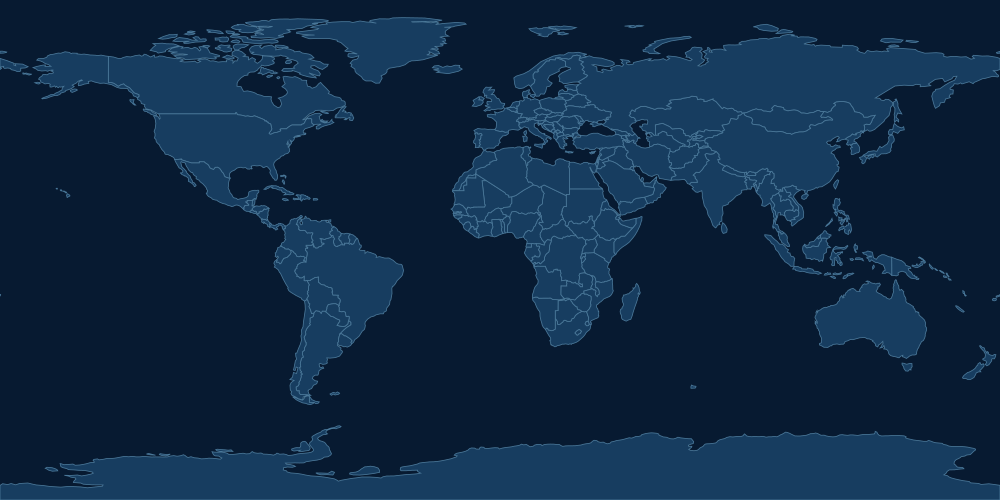
World map with country boundaries
Oceans + waterLiving matterHydrocarbons + mineralsHydrogen on Earth is mainly chemically bound; country dots would mislead
Atmospheric O₂Oceans + waterRocks + mineralsOxygen is distributed through the whole Earth system
Seawater Na⁺Evaporite salt bedsCrustal silicate mineralsNatural sodium occurs in compounds, not as free sodium metal
U-bearing rocks + sedimentsUraninite / carnotite and other mineralsTrace uranium is widespreadNatural occurrence is geological, not limited to modern mining countries
No natural depositsNo mine productionArtificially produced atoms onlyOganesson geography is research geography, not a natural-resource layer
Widespread crustal Mg~2% of Earth’s crustWidespread crustal Mg
Pacific OceanAtlantic OceanIndian OceanMagnesium is globally dissolved in seawater
Hydrothermal veinsPlacer / alluvial depositsNative gold + ore depositsGold occurs naturally worldwide, usually at very low concentrations
AtmosphereOceanLiving systems + soilsRocks + sediments
Selected-element geographic markerCountry outlines: Natural Earth.
Reading the colors: at 0 on the temperature slider the tiles use chemical-family colors. Moving the slider above 0 automatically changes every tile to state-of-matter colors.
Learn the periodic table

Periodic table of elements: 118 elements, 18 groups and 7 periods

The periodic table arranges the 118 known chemical elements by atomic number and recurring chemical properties. Use the interactive table above to explore element families, groups, periods, s/p/d/f blocks, electron-related trends and how physical state changes with temperature.

Groups, periods and families

Explore Groups 1–18, Periods 1–7, alkali metals, alkaline-earth metals, transition metals, metalloids, halogens, noble gases, lanthanides and actinides.

Periodic trends and properties

Color the table by electronegativity, atomic radius, ionization energy, density, melting point, boiling point or atomic number and use the changing legend to interpret the scale.

States of matter by temperature

Move the 0–6000 K temperature control to see which elements are predicted to be solid, liquid, gas or unknown at approximately standard pressure.

118 individual element guides

Every element now has its own searchable guide with properties, electron configuration, atomic structure, isotopes, uses, history, geography, comparisons, interactive learning tools and a student datasheet.

Start learning

Choose the path that matches your question

Completed element guides

118 completed, source-reviewed element guides

MgMagnesiumAtomic number 12 · full guide CCarbonAtomic number 6 · full guide AuGoldAtomic number 79 · full guide UUraniumAtomic number 92 · full guide OgOganessonAtomic number 118 · full guide HHydrogenAtomic number 1 · full guide OOxygenAtomic number 8 · full guide NaSodiumAtomic number 11 · full guide FeIronAtomic number 26 · full guide CuCopperAtomic number 29 · full guide CaCalciumAtomic number 20 · full guide SiSiliconAtomic number 14 · full guide AgSilverAtomic number 47 · full guide ThThoriumAtomic number 90 · full guide FlFleroviumAtomic number 114 · full guide AlAluminiumAtomic number 13 · full guide NNitrogenAtomic number 7 · full guide PtPlatinumAtomic number 78 · full guide PuPlutoniumAtomic number 94 · full guide TsTennessineAtomic number 117 · full guide KPotassiumAtomic number 19 · full guide ClChlorineAtomic number 17 · full guide NiNickelAtomic number 28 · full guide RaRadiumAtomic number 88 · full guide NeNeonAtomic number 10 · full guide SnTinAtomic number 50 · full guide SSulfurAtomic number 16 · full guide TiTitaniumAtomic number 22 · full guide AmAmericiumAtomic number 95 · full guide McMoscoviumAtomic number 115 · full guide LiLithiumAtomic number 3 · full guide PbLeadAtomic number 82 · full guide PPhosphorusAtomic number 15 · full guide FFluorineAtomic number 9 · full guide ZnZincAtomic number 30 · full guide HgMercuryAtomic number 80 · full guide RnRadonAtomic number 86 · full guide PoPoloniumAtomic number 84 · full guide HeHeliumAtomic number 2 · full guide XeXenonAtomic number 54 · full guide BeBerylliumAtomic number 4 · full guide SrStrontiumAtomic number 38 · full guide BBoronAtomic number 5 · full guide IIodineAtomic number 53 · full guide CrChromiumAtomic number 24 · full guide CoCobaltAtomic number 27 · full guide NpNeptuniumAtomic number 93 · full guide CmCuriumAtomic number 96 · full guide ArArgonAtomic number 18 · full guide KrKryptonAtomic number 36 · full guide BaBariumAtomic number 56 · full guide CsCesiumAtomic number 55 · full guide SeSeleniumAtomic number 34 · full guide BrBromineAtomic number 35 · full guide MnManganeseAtomic number 25 · full guide WTungstenAtomic number 74 · full guide AcActiniumAtomic number 89 · full guide PaProtactiniumAtomic number 91 · full guide NhNihoniumAtomic number 113 · full guide CnCoperniciumAtomic number 112 · full guide GaGalliumAtomic number 31 · full guide RbRubidiumAtomic number 37 · full guide GeGermaniumAtomic number 32 · full guide AsArsenicAtomic number 33 · full guide MoMolybdenumAtomic number 42 · full guide PdPalladiumAtomic number 46 · full guide AtAstatineAtomic number 85 · full guide FrFranciumAtomic number 87 · full guide RfRutherfordiumAtomic number 104 · full guide LvLivermoriumAtomic number 116 · full guide InIndiumAtomic number 49 · full guide BiBismuthAtomic number 83 · full guide SbAntimonyAtomic number 51 · full guide TeTelluriumAtomic number 52 · full guide VVanadiumAtomic number 23 · full guide RhRhodiumAtomic number 45 · full guide TcTechnetiumAtomic number 43 · full guide PmPromethiumAtomic number 61 · full guide DbDubniumAtomic number 105 · full guide SgSeaborgiumAtomic number 106 · full guide ScScandiumAtomic number 21 · full guide YYttriumAtomic number 39 · full guide ZrZirconiumAtomic number 40 · full guide NbNiobiumAtomic number 41 · full guide TaTantalumAtomic number 73 · full guide CdCadmiumAtomic number 48 · full guide NdNeodymiumAtomic number 60 · full guide CeCeriumAtomic number 58 · full guide EuEuropiumAtomic number 63 · full guide GdGadoliniumAtomic number 64 · full guide RuRutheniumAtomic number 44 · full guide LaLanthanumAtomic number 57 · full guide PrPraseodymiumAtomic number 59 · full guide SmSamariumAtomic number 62 · full guide TbTerbiumAtomic number 65 · full guide DyDysprosiumAtomic number 66 · full guide HoHolmiumAtomic number 67 · full guide ErErbiumAtomic number 68 · full guide TmThuliumAtomic number 69 · full guide YbYtterbiumAtomic number 70 · full guide LuLutetiumAtomic number 71 · full guide HfHafniumAtomic number 72 · full guide ReRheniumAtomic number 75 · full guide OsOsmiumAtomic number 76 · full guide IrIridiumAtomic number 77 · full guide TlThalliumAtomic number 81 · full guide BkBerkeliumAtomic number 97 · full guide CfCaliforniumAtomic number 98 · full guide EsEinsteiniumAtomic number 99 · full guide FmFermiumAtomic number 100 · full guide MdMendeleviumAtomic number 101 · full guide NoNobeliumAtomic number 102 · full guide LrLawrenciumAtomic number 103 · full guide BhBohriumAtomic number 107 · full guide HsHassiumAtomic number 108 · full guide MtMeitneriumAtomic number 109 · full guide DsDarmstadtiumAtomic number 110 · full guide RgRoentgeniumAtomic number 111 · full guide

Browse the crawlable 118-element directory →

Popular questions

Follow the question, not just the element

All elements

What is the difference between protons, neutrons and electrons?

Separate element identity, isotope identity and charge by assigning each subatomic particle the right role.

Explore the answer →
All elements

What is mass number?

Learn why mass number is the integer proton-plus-neutron count for one isotope and not the decimal atomic-weight value on the periodic table.

Explore the answer →
All elements

What are valence electrons?

Connect the electrons involved in ordinary chemistry to periodic groups, while keeping transition-metal exceptions visible.

Explore the answer →
All elements

What are groups, periods and blocks?

Use the periodic table as a coordinate system for recurring electron structure rather than memorizing rows and columns as labels.

Explore the answer →
All elements

What is electronegativity?

Understand electronegativity as a relative attraction-for-bonding-electrons concept, not an ionization energy.

Explore the answer →
All elements

What is ionization energy?

Learn what it means to remove an electron from a gaseous atom and why real trend exceptions reveal electron structure.

Explore the answer →

Browse the chemistry question library →

Featured element guide

Magnesium (Mg)

Explore magnesium’s atomic number, electron configuration, valence electrons, properties, isotopes, uses, occurrence, temperature behavior, 3D visual lab and student PDF.

Open Magnesium element guide →

What does the periodic table show?

It organizes chemical elements by increasing atomic number while grouping elements with related electronic structures and chemical behavior into recurring patterns.

What are groups and periods?

Groups are the 18 vertical columns. Periods are the 7 horizontal rows. Elements in the same group often share important chemical similarities.

What can I compare on this interactive periodic table?

You can compare families, blocks, electronegativity, atomic radius, melting and boiling points, density, ionization energy, atomic number and state of matter at a selected temperature.

Element Lookup · Interactive Periodic Table · Temperature-state colors use reference melting and boiling points at approximately standard pressure. · Map boundaries: Natural Earth.
Switch light / dark mode